Persepolis - The Ceremonial Capital of Ancient Persia
Loading 360° Virtual Tour...
Historical Context
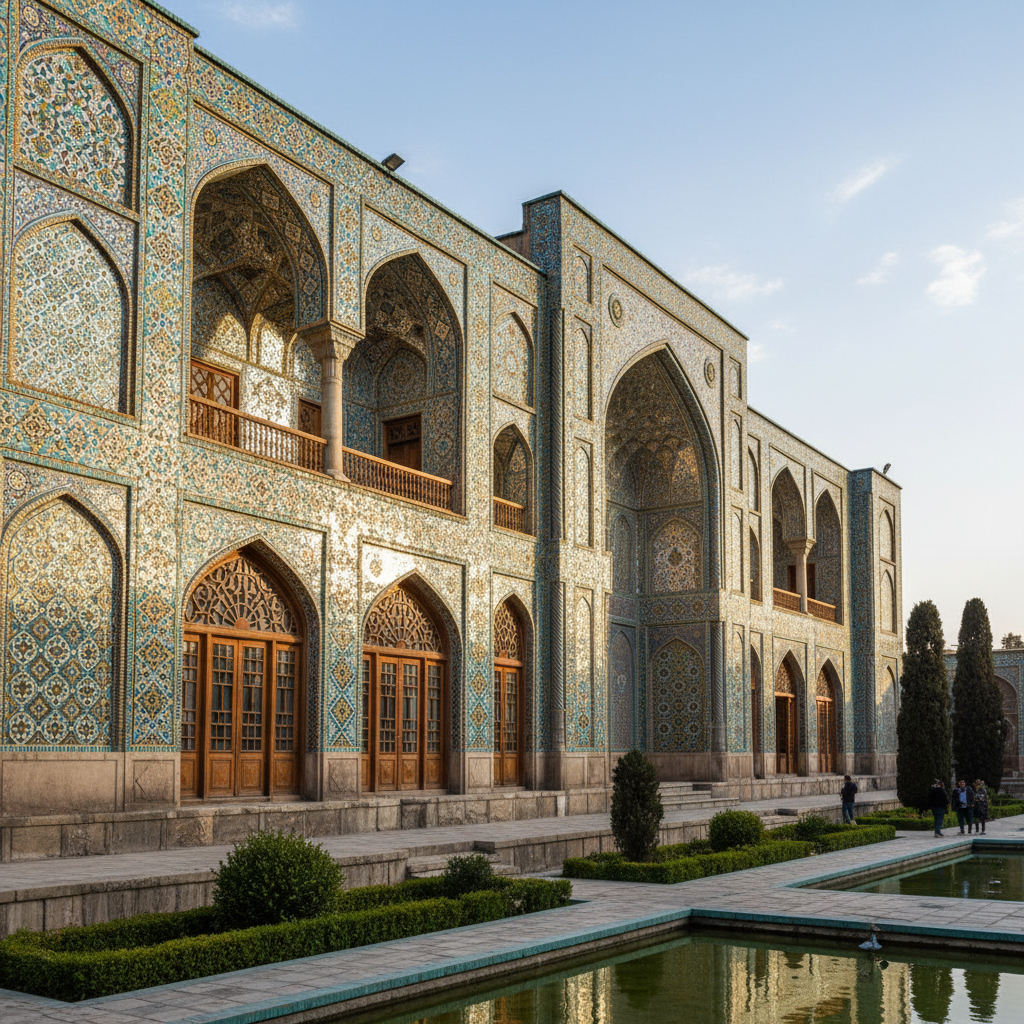
Persepolis, meaning 'City of Persians,' stands as one of the most magnificent archaeological sites in the world. Founded by Darius I in 518 BCE, this ceremonial capital of the Achaemenid Empire showcases the pinnacle of ancient Persian architecture and artistry. The site served as the symbolic heart of the empire, where kings received tribute from subject nations during the Persian New Year celebrations. Today, its towering columns, intricate reliefs, and monumental staircases continue to inspire awe and wonder.
Foundation by Darius the Great
Construction began under Darius I, creating a ceremonial capital that would symbolize the power and diversity of the Persian Empire.
Destruction by Alexander
Alexander the Great conquered and burned Persepolis, marking the end of the Achaemenid dynasty and beginning of Hellenistic influence.
Archaeological Excavations
Systematic excavations by Ernst Herzfeld and Erich Schmidt revealed the site's grandeur and provided insights into ancient Persian civilization.
UNESCO World Heritage Site
Recognized for its outstanding universal value, Persepolis was inscribed as one of Iran's first UNESCO World Heritage Sites.
Artisan Spotlight
Meet the masters preserving Persian traditions
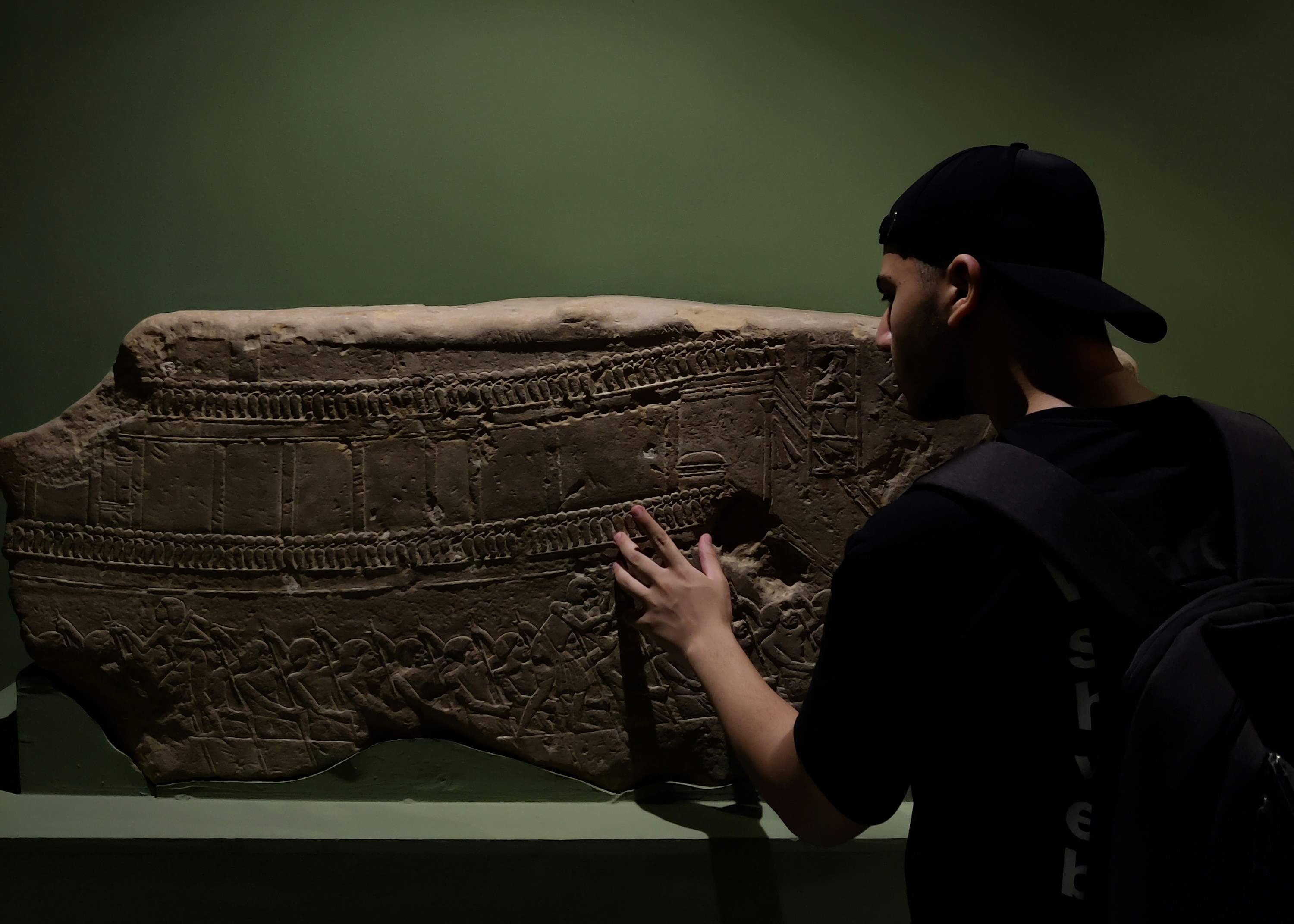
Master Reza Karimi
Stone Carving & Relief Restoration
Master Karimi has dedicated his life to preserving the ancient art of Persian stone carving. His workshops teach traditional techniques used by Achaemenid artisans, allowing visitors to create their own miniature reliefs inspired by Persepolis motifs.
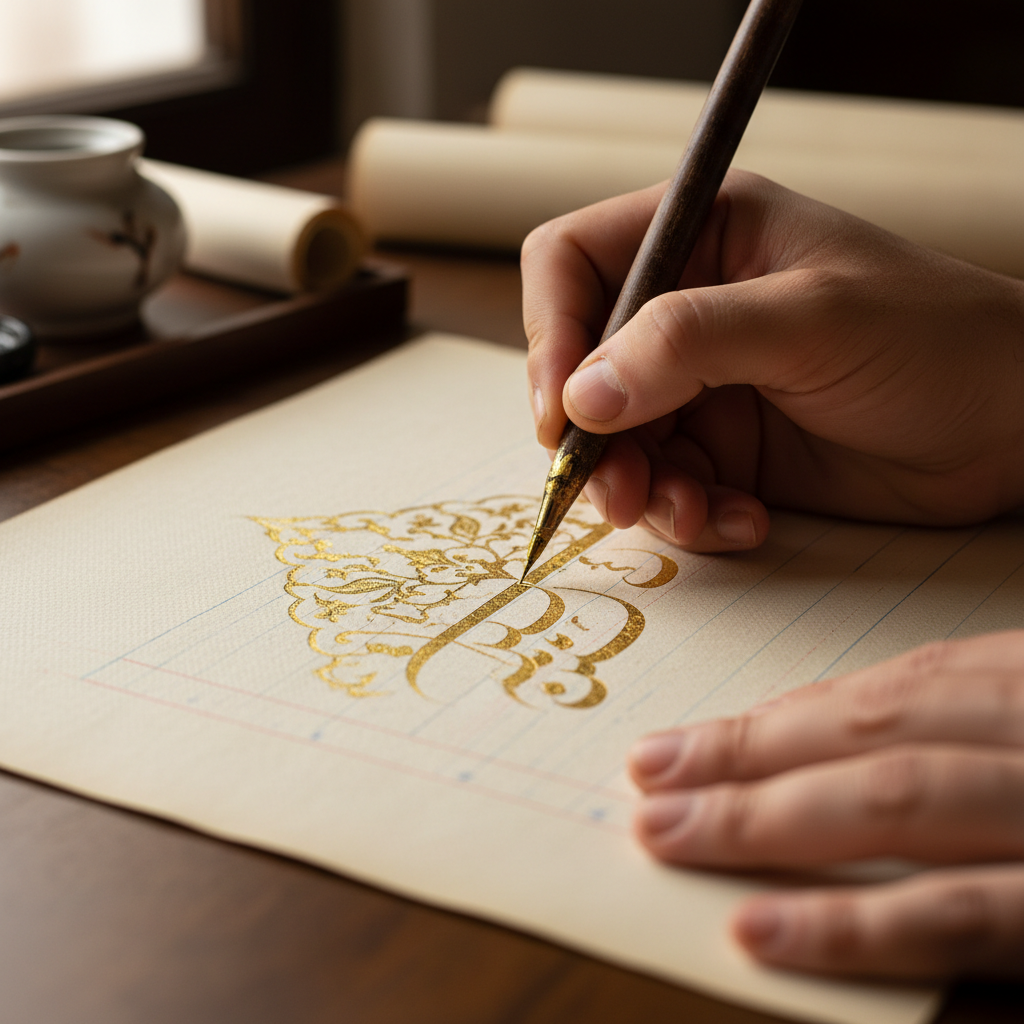
Fatemeh Hosseini
Traditional Persian Calligraphy
Specializing in ancient Persian scripts including Old Persian cuneiform, Fatemeh offers immersive workshops where participants learn to write their names in the same script used in Persepolis inscriptions.
Cultural Preparation Guide
Essential knowledge for your visit
Dress Code
- Women should wear a headscarf (hijab) and loose-fitting clothing covering arms and legs
- Men should wear long pants and avoid sleeveless shirts
- Comfortable walking shoes are essential for exploring the archaeological site
- Bring layers as temperature varies throughout the day
Cultural Etiquette
- Remove shoes when entering homes or certain indoor spaces
- Use your right hand for giving and receiving items
- Ask permission before photographing local people
- Show respect at historical and religious sites by speaking quietly
Language Basics
- Salam (سلام) - Hello
- Mersi (مرسی) - Thank you
- Lotfan (لطفاً) - Please
- Bebakhshid (ببخشید) - Excuse me / Sorry
Best Practices
- Visit early morning or late afternoon to avoid heat and crowds
- Hire a licensed guide for deeper historical understanding
- Bring water and sun protection - limited shade available
- Allow 3-4 hours minimum to fully explore the site
Nearby Attractions
Explore more destinations in the area